


Laboratories operate in environments where precision, accuracy, and contamination control are essential. Whether in pharmaceutical research, biotechnology, healthcare diagnostics, or industrial testing, even microscopic contaminants can compromise experiments, damage sensitive equipment, and produce unreliable results. Maintaining a clean and controlled laboratory environment is therefore a fundamental requirement for both safety and operational reliability.
Effective laboratory cleaning combined with systematic particle count testing ensures that laboratories maintain the environmental conditions required for accurate research and compliance with regulatory standards. Proper cleaning procedures help eliminate dust, biological contaminants, and chemical residues, while particle monitoring allows laboratories to measure airborne contamination levels and verify that environmental standards are consistently maintained.
Laboratory Cleaning Standards
Cleaning Protocols and Schedules
Laboratory cleaning requires structured protocols designed to maintain strict contamination control without disrupting ongoing research activities. Unlike general cleaning, laboratory cleaning must follow carefully defined procedures that address high-risk areas, sensitive equipment, and controlled environments.
Cleaning schedules are typically organised into daily, weekly, and periodic maintenance tasks. High-contact surfaces, workstations, and laboratory benches are cleaned regularly to prevent contamination buildup, while deeper cleaning procedures may include ventilation systems, storage areas, and specialised laboratory equipment. Establishing a consistent cleaning schedule ensures contaminants are removed before they can interfere with research or compromise safety.
Approved Chemicals and Tools
The chemicals and tools used in laboratory cleaning must be carefully selected to avoid damaging equipment or introducing additional contaminants. Approved cleaning agents are typically non-reactive, residue-free, and compatible with laboratory materials and instruments.
Specialised tools such as lint-free wipes, anti-static cleaning cloths, HEPA-filtered vacuum systems, and controlled dispensing solutions are commonly used in laboratory environments. These tools help remove particles effectively while preventing cross-contamination between surfaces or equipment.
Particle Monitoring Explained
Purpose of Particle Count Testing
Airborne particles are one of the most significant sources of contamination in laboratory environments. Dust, fibres, microorganisms, and chemical residues can affect experimental outcomes and compromise the integrity of laboratory work.
A particle count test measures the concentration and size of airborne particles within a controlled environment. By monitoring particle levels, laboratories can determine whether their cleaning procedures, air filtration systems, and contamination controls are functioning effectively.
Particle monitoring is particularly important in laboratories that handle sensitive materials, sterile products, or precision research processes where even small amounts of contamination can affect results.
Monitoring Methods and Equipment
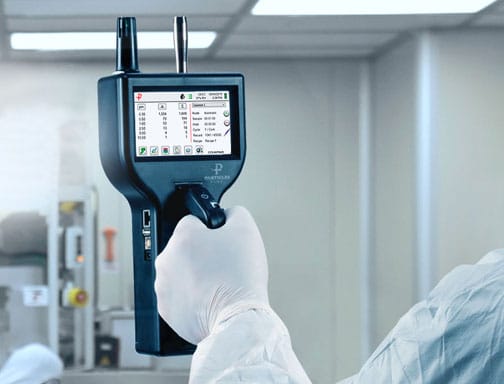
Particle monitoring is performed using specialised particle counters that measure airborne particles in real time. These instruments detect and classify particles based on size and concentration, providing valuable data about environmental cleanliness.
Monitoring may be conducted periodically or continuously, depending on the laboratory’s operational requirements. Portable particle counters allow technicians to measure contamination levels in specific areas, while integrated monitoring systems can track air quality across entire laboratory facilities.
These monitoring methods help laboratories maintain compliance with environmental standards and identify contamination risks before they escalate into larger operational issues.
Best Cleaning Practices
Surface and Equipment Sanitisation
Regular sanitisation of laboratory surfaces and equipment is essential for preventing contamination. Workbenches, testing areas, instruments, and storage units should be cleaned using approved disinfectants that effectively remove biological and chemical residues.
Proper sanitisation practices not only reduce contamination risks but also help maintain a safe working environment for laboratory personnel. Equipment cleaning should be performed carefully to avoid damaging sensitive instruments while ensuring surfaces remain free from particles and residues.
Air Filtration Maintenance
Air filtration systems play a crucial role in maintaining clean laboratory environments. High-efficiency particulate air (HEPA) filters are commonly used to capture microscopic particles and maintain controlled airflow conditions.
Regular maintenance of ventilation systems and filtration units ensures that airborne contaminants are effectively removed from the environment. Replacing filters and inspecting airflow systems at scheduled intervals helps laboratories maintain consistent air quality and reduce contamination risks.
Waste Management
Proper waste management is another key component of laboratory cleanliness. Laboratories often generate hazardous materials, biological waste, and chemical residues that must be handled carefully to prevent contamination.
Structured waste disposal procedures ensure that hazardous materials are removed safely and that waste containers are properly sealed, labelled, and disposed of according to regulatory requirements. Effective waste management helps maintain a hygienic laboratory environment and reduces the risk of cross-contamination.
Benefits of Proper Cleaning & Monitoring
Improved Research Accuracy
A clean laboratory environment directly supports accurate and reliable research outcomes. By minimising contamination risks, laboratories can ensure experimental results remain consistent and trustworthy.
Controlled environments help researchers maintain precision in testing, analysis, and product development processes.
Reduced Contamination Risks
Routine cleaning and particle monitoring help detect contamination sources early and prevent them from affecting laboratory operations. Removing airborne particles and maintaining clean surfaces significantly reduces the likelihood of equipment contamination or compromised samples.
This proactive approach supports both operational safety and research integrity.
Regulatory Compliance
Many laboratories operate under strict regulatory standards that require documented cleaning procedures and environmental monitoring. Maintaining proper cleaning protocols and conducting regular particle count tests helps laboratories demonstrate compliance with these standards.
Compliance not only ensures operational safety but also supports accreditation, inspections, and quality assurance programmes.
Choosing Professional Services
Trained Technicians
Professional laboratory cleaning services employ technicians who are specifically trained to work in controlled environments. These specialists understand contamination control procedures and follow strict protocols designed to protect laboratory operations.
Their expertise ensures cleaning tasks are performed safely without disrupting sensitive equipment or research activities.
Certified Procedures
Reputable service providers follow certified cleaning procedures that align with industry standards. These procedures ensure cleaning is performed consistently and effectively while maintaining compliance with laboratory regulations.
Certified protocols also help maintain traceability and documentation for quality control purposes.
Quality Reporting Systems
Professional cleaning services often provide detailed reports on cleaning activities and environmental monitoring results. These reports allow laboratory managers to track cleanliness levels, review particle monitoring data, and verify compliance with operational standards.
Comprehensive reporting also supports internal audits and regulatory inspections.
Maintain a Safe and Compliant Laboratory Environment
Maintaining strict cleanliness and monitoring airborne particles are essential for protecting laboratory operations, ensuring research accuracy, and meeting regulatory standards. Effective laboratory cleaning combined with regular particle count testing helps laboratories maintain controlled environments that support reliable scientific work.
Data Clean Asia provides specialised laboratory cleaning and particle monitoring services designed for controlled environments and mission-critical facilities. With experienced technicians, advanced equipment, and industry-approved procedures, Data Clean Asia helps laboratories maintain safe, compliant, and contamination-free environments.
Book a professional cleaning and monitoring service with Data Clean Asia today to ensure your laboratory remains clean, controlled, and fully compliant.
