


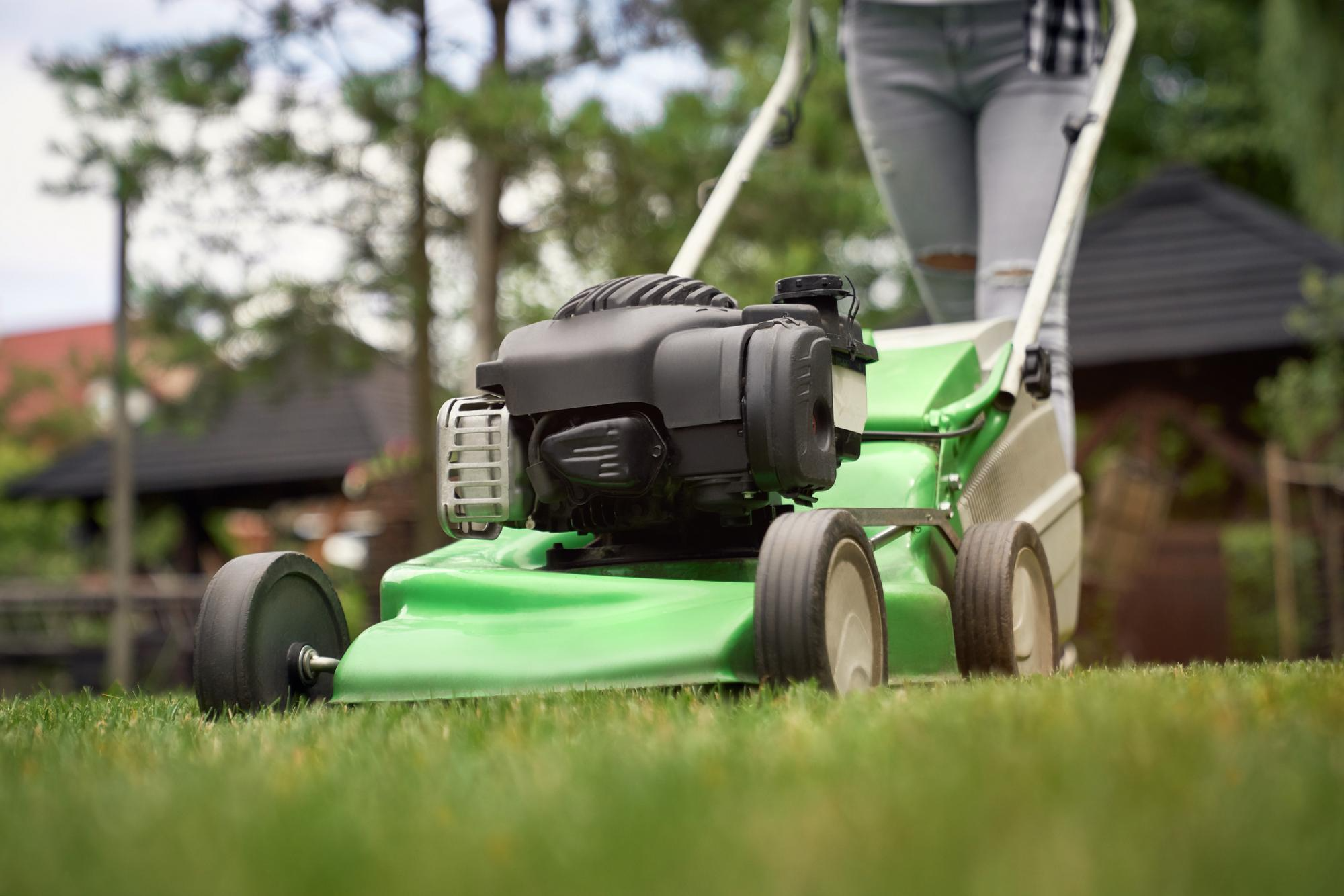
A lush, green lawn does not happen overnight — it requires effort, patience, and an understanding of how to create the perfect outdoor space. If you are new to care or just want to improve your current one, you must know how long you cut your grass, when to cut, and how much water and fertilizer you should use. Taking care of your garden requires understanding of different steps.
By following these tips, you can keep your garden green and fresh for years:
Water Wisely
Many people use too much water when watering the garden, which is not only excessive but also wasteful. Your lawn might not need as much water as you think. One inch per week is enough to keep the grass healthy.
If you keep your lawn green, water it early in the morning so it retains the moisture better. Lawn generally requires 1 inch of water per week, so you should use a rain gauge to measure how much water you need.
If your lawn starts turning brown in the summer and doesn’t panic, it may look dry, but it will green up again in the fall or after a good rain.
Invest in Artificial Grass
If you’re busy and don’t have time to mow and trim the lawn regularly, investing in artificial grass can be a great idea. Artificial grass installation means you have a lawn that is durable and requires no maintenance to keep it green.
It removes the need for gas-powered or electric lawnmowers, trimmers, and weekly physical labor. Artificial turf requires no irrigation, saving thousands of gallons of water and reducing monthly utility bills. It stops the need for chemical treatments, keeping toxic runoff out of local waterways and avoiding pest infestations.
Soil Testing and Preparation
Healthy soil is crucial for a beautiful and healthy garden. You should check your soil quality before starting any step. Check its pH and nutrient levels; this will help determine which amendments, such as lime or compost, your lawn needs. Preparing your garden soil helps to grow healthy grass. To check soil quality, you can purchase an affordable kit or hire a professional for more reliable results.
Fertilize Smart
Your lawn needs proper nutrients to grow, which is why you should consider using fertilizers. When shopping for garden fertilizer, choose products with zero phosphorus and that do not contain a weed-and-feed combination. Use the fertilizer in the fall; it will be very effective, and apply the amount directed by the manufacturer.
Use a slow-release fertilizer twice a year; apply one in spring and another in fall. Keep the amount of fertilizer stable; too much fertilizer can cause more harm than good, so follow the instructions carefully.
Keep Weeds Under Control
Weeds are the culprit behind the poor appearance of your lawn, as they steal nutrients and water from the grass. To prevent weeds, you should apply a pre-emergent herbicide at the start of spring. Existing grass must be pulled out or treated with a post-emergent herbicide. Controlling weeds helps to keep your garden green and enhance curb appeal.
