


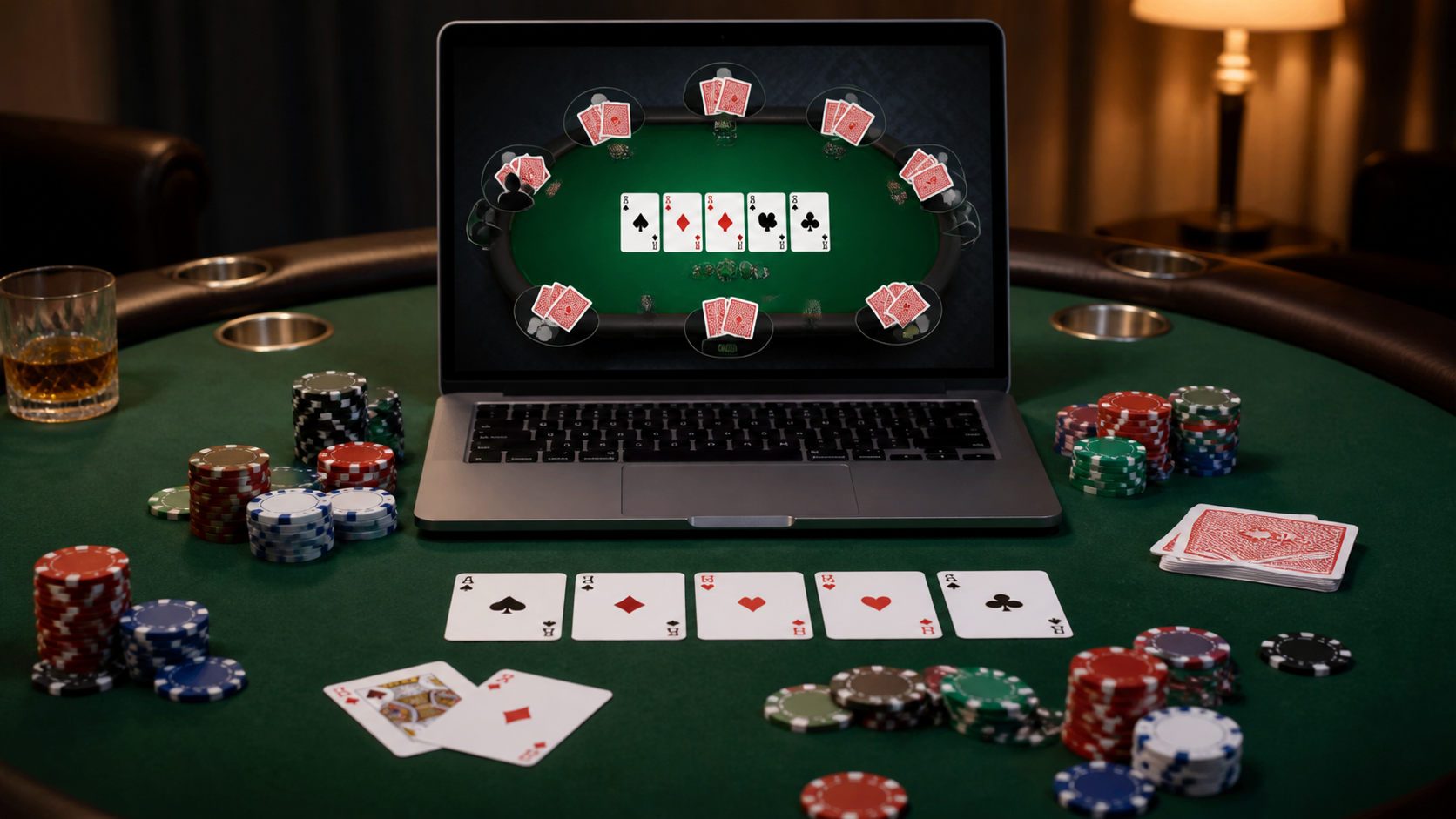
Online poker has developed into a familiar part of the wider gaming landscape, especially for players who want the strategy and pacing of poker without needing to visit a physical venue. For readers in Malaysia, the subject raises a mix of practical questions: how the game works online, what to look for in a platform, and how to approach play in a way that stays controlled and informed.
That is why online poker in malaysia deserves a careful, reader-friendly overview. The topic is not only about finding a table; it is also about understanding game formats, player habits, account basics, table selection, and the discipline required to make sensible decisions over time. A good approach can help players enjoy the experience while avoiding common mistakes that often appear when the pace of online play feels too fast.
How Online Poker Fits Into the Malaysian Gaming Scene
Poker stands apart from many casino-style games because the outcome is shaped by both cards and decision-making. That mix of chance and judgment is part of what keeps the game popular. Online play makes the format more accessible, allowing players to join tables from home, compare different game types, and move between low-pressure and more competitive environments depending on their comfort level.
For Malaysian players, accessibility is often the main attraction. Online rooms typically offer a range of table sizes, stake levels, and tournament formats, which means the game can suit different schedules and playing styles. Some players prefer short sessions with a single table, while others enjoy longer tournament structures that reward patience and attention.
The online setting also changes the rhythm of the game. Hands arrive more quickly, decisions happen faster, and players have fewer physical cues to read. This can be an advantage for those who value efficiency, but it also means concentration matters more. The most useful habit is to approach the game with a plan rather than treating each hand as a separate impulse.
What to Look for in a Poker Site
Choosing where to play is one of the most important parts of the process. A site may look polished on the surface, but players should still pay attention to the details that affect the overall experience. Clear navigation, stable gameplay, sensible table variety, and accessible support tools all contribute to a better session.
It also helps to consider how the platform handles payments, account verification, and responsible play features. Even when a site offers many game options, the basic user experience should feel straightforward. Players generally benefit from choosing a room that makes it easy to understand table rules, buy-in requirements, and any terms attached to bonuses or promotions.
Game Variety and Table Structure
A good poker site usually offers more than one format. Cash games are useful for players who prefer flexibility, while tournaments can appeal to those who want a structured event with a clear beginning and end. Sit-and-go tables, where available, can work well for shorter sessions. The key is to pick a structure that matches your patience level and your preferred pace of play.
Table structure matters too. Some games move quickly, while others give players more time to think. A thoughtful player will notice whether the pace supports careful decision-making or encourages rushed choices. If you are still learning, slower tables can be more forgiving because they give you more time to process betting patterns and position.
Interface, Mobile Use, and Support
The best poker environment is one that stays clear under pressure. A clean interface helps players avoid simple errors, such as misreading bet sizes or clicking too quickly. Mobile compatibility can also be valuable, especially for players who prefer short sessions on the move. The experience should remain smooth even when the screen is smaller.
Support matters more than many players expect. If a technical issue appears in the middle of a session, it is useful to know that help is available and that the site explains basic processes in plain language. Good support does not need to be dramatic; it just needs to be dependable and easy to reach when needed.
Understanding Poker Formats and Table Decisions
Online poker is appealing because the game offers several ways to play, each with its own rhythm and level of complexity. A player who understands these differences can choose tables that match both skill level and attention span. That simple match often matters more than chasing the biggest possible game.
Cash games allow players to join or leave with more freedom, which suits those who want control over session length. Tournaments reward endurance and adaptability, because chip stacks and table conditions change over time. The approach is different in each case, so players should avoid assuming that one set of habits works everywhere.
- Cash games suit players who prefer flexibility and shorter commitments.
- Tournaments work better for those who enjoy longer, structured sessions.
- Fast-paced tables demand quicker judgment and stronger discipline.
- Slower tables can help newer players make more measured decisions.
- Table selection matters because the right pace supports better play.
Another factor is position. Even for casual players, understanding when you act relative to the rest of the table can improve decision-making. Acting later gives you more information, while acting early often requires a more cautious approach. Small details like this are easy to ignore, but they shape the quality of long-term play.
Playing Sensibly and Managing Your Session
Good poker habits begin before the first hand is dealt. A clear session plan helps players stay composed, especially when the game becomes unpredictable. Setting a time limit, choosing a stake level you can handle comfortably, and deciding in advance how long you want to stay at a table can make the experience much more controlled.
One useful habit is to separate entertainment from expectation. Poker is engaging because outcomes vary and decisions matter, but that does not mean every session should be treated as a mission to recover losses or force a result. A more practical mindset is to focus on process: making better choices, avoiding emotional reactions, and knowing when to step away.
Players also benefit from watching for common mistakes. Many people overvalue weak hands, chase difficult draws too often, or continue playing after fatigue starts affecting judgment. Others become too attached to a table simply because they want to win back a previous hand. These habits are not unique to beginners, but they are easier to correct when a player is willing to slow down and reassess.
If you want a fuller look at table selection, platform features, and the overall experience, this guide to online poker in malaysia can serve as a useful reference point while you compare options and think through your own preferences.
Building Better Habits Over Time
Improvement in poker usually comes from repetition, reflection, and patience rather than dramatic changes. Players who keep notes on the kinds of situations that give them trouble often learn faster than those who rely only on memory. Even a simple habit of reviewing whether a decision was rushed, cautious, or poorly timed can make future sessions more deliberate.
It is also helpful to think about emotional balance. Poker naturally creates swings in momentum, and online play can make those swings feel even sharper because hands move quickly. A stable mindset allows you to treat each session as part of a broader pattern rather than as a single defining result. That perspective is especially useful for recreational players who want the game to remain enjoyable.
For many players, progress comes from a few consistent routines:
- Choose tables that match your current confidence and experience.
- Take breaks when focus starts to fade.
- Avoid playing too many tables at once if it makes decisions sloppy.
- Keep your goals simple and realistic for each session.
- Review hands that felt confusing instead of guessing what went wrong.
These habits do not guarantee better results, but they can make the game feel more structured and less reactive. That difference matters, especially in an online environment where speed can tempt players into shortcuts.
Conclusion: Making Online Poker More Informed and Enjoyable
Online poker can be a rewarding option for Malaysian players who appreciate a game built on strategy, timing, and steady decision-making. The most useful mindset is not to chase every table or every hand, but to choose formats that fit your style, learn the basic structure of play, and stay aware of how quickly online sessions can move.
With the right habits, the experience becomes more manageable and more enjoyable. A thoughtful approach to site selection, table choice, and session control gives players a better foundation than impulse ever could. In the end, the value of the game often comes from playing with attention, patience, and clear expectations.
