


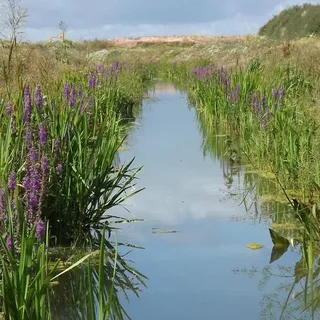
A beautiful water garden is more than just clear water and colorful fish. The right plants can transform a pond into a natural-looking landscape while providing shelter for wildlife and helping create a balanced aquatic environment. Among the most useful choices are Marginal Pond Plants: Best Varieties for a Beautiful Water Garden, which grow around the edges of ponds and thrive in shallow water or consistently moist soil.
Marginal plants are available in many shapes, sizes, and colors, making them suitable for both small backyard ponds and larger ornamental water features. Choosing the right varieties can add texture, seasonal interest, and a natural transition between the pond and surrounding garden.
What Are Marginal Pond Plants?
Marginal pond plants are aquatic or moisture-loving plants that generally grow at the shallow edges of ponds. Their roots are often submerged while their stems and foliage grow above the water.
Unlike deep-water plants such as water lilies, marginal varieties are designed for shallow conditions. They can be planted in baskets placed on pond shelves or directly into damp soil around the pond.
These plants are particularly valuable because they soften hard pond edges and create a more natural appearance. Their foliage and flowers can also provide habitats for insects, amphibians, and other wildlife.
Best Varieties for a Beautiful Water Garden
When selecting Marginal Pond Plants: Best Varieties for a Beautiful Water Garden, consider plant height, flowering period, growth rate, and the amount of sunlight your pond receives.
1. Marsh Marigold
Marsh marigold is a popular choice for damp pond margins. It produces cheerful yellow flowers, particularly during spring, and has attractive rounded foliage.
It works well around natural-looking ponds and can provide an early splash of color after winter.
2. Water Forget-Me-Not
Water forget-me-not is a delicate marginal plant with small blue flowers. Its low-growing habit makes it useful for softening pond edges without overwhelming the water feature.
It can also create a pleasant habitat for small aquatic creatures and pollinating insects.
3. Pickerelweed
Pickerelweed is known for its upright growth and attractive spikes of blue or purple flowers. It adds height and structure to pond borders while creating a strong visual contrast with green foliage.
This variety is especially suitable when you want a more dramatic planting arrangement.
4. Cattails
Cattails offer a distinctive vertical appearance and are easily recognized by their tall foliage and brown flower spikes. They can create a natural wetland effect around larger ponds.
However, some cattail varieties can spread aggressively, so they should be planted carefully and managed regularly.
5. Iris
Water-loving iris varieties are excellent for adding height and colorful flowers to pond margins. Depending on the variety, flowers may appear in shades of blue, purple, yellow, or white.
Their sword-shaped leaves remain attractive even when the plants are not flowering, providing structure throughout much of the growing season.
6. Bogbean
Bogbean is a fascinating marginal plant that produces clusters of white flowers and distinctive foliage. It is particularly well suited to moist or boggy areas near the water’s edge.
Its unusual appearance can add variety to a mixed pond planting scheme.
How to Choose the Right Marginal Plants
The best plants depend on your pond’s conditions. Before buying, evaluate the depth of your shallow planting shelves and determine how much sunlight the area receives.
For sunny ponds, flowering varieties can provide excellent seasonal color. Shadier locations may require plants that tolerate lower light levels.
It is also important to consider mature plant size. A variety that looks small in a garden center can eventually occupy a significant amount of space. Selecting plants according to the scale of your pond helps prevent overcrowding.
Planting and Care Tips
Most marginal plants are relatively easy to maintain when planted at the correct depth. Place aquatic plants in suitable baskets or containers using an appropriate aquatic planting medium. Avoid ordinary garden soil because it can cloud the water and introduce excessive nutrients.
Keep the plants adequately watered, especially when establishing them. Remove damaged leaves and spent flowers when necessary to keep the planting area tidy.
Regular maintenance is also important for fast-growing varieties. Dividing overcrowded plants can help control their spread and encourage healthier growth.
Creating a Natural Pond Border
For the most attractive results, combine plants with different heights, textures, and flowering periods. Place taller varieties toward the back or sides of the pond and shorter plants toward the front.
You can also combine foliage colors and flower shapes to create visual interest throughout the year. Repeating a few complementary varieties around different areas of the pond can make the overall design feel cohesive.
Using Marginal Pond Plants: Best Varieties for a Beautiful Water Garden as part of a broader planting strategy can help create a balanced transition from water to land.
Benefits Beyond Beauty
Marginal plants offer more than decorative value. Their roots can contribute to nutrient uptake, while dense foliage can provide shelter for pond wildlife. Flowers can attract beneficial insects, and the plants can create hiding places for frogs and other small creatures.
A thoughtfully planted pond can therefore become an attractive focal point while also supporting a small ecosystem.
Final Thoughts
Choosing suitable marginal plants is one of the easiest ways to enhance the appearance and ecological value of a water garden. From colorful iris and marsh marigold to delicate water forget-me-not and striking pickerelweed, there are options for almost every pond style.
By considering sunlight, planting depth, mature size, and maintenance requirements, you can select Marginal Pond Plants: Best Varieties for a Beautiful Water Garden that complement your landscape and thrive for years to come.
