


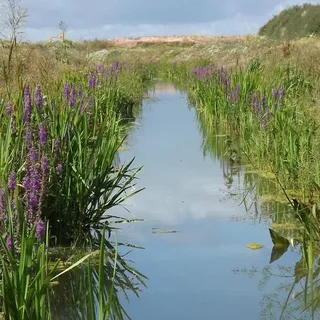
A beautiful water garden is more than just a pond filled with water. The right combination of aquatic and surrounding plants can transform an ordinary pond into a peaceful, colorful, and natural-looking feature. Among the most useful choices are plants that grow along the shallow edges of ponds, adding texture, color, and visual interest while helping create a balanced ecosystem.
Choosing the right Marginal Pond Plants: Best Varieties for a Beautiful Water Garden can make a significant difference in the overall appearance and health of your pond. These plants thrive in moist soil or shallow water and are ideal for softening pond edges while providing shelter for wildlife.
What Are Marginal Pond Plants?
Marginal pond plants are aquatic plants that naturally grow around the shallow margins of ponds, lakes, and water features. Their roots are usually submerged or planted in wet soil, while their stems, leaves, and flowers grow above the water.
These plants are particularly valuable because they create a gradual transition between the pond and the surrounding landscape. Instead of having a sharp boundary between water and soil, marginal plants provide a lush, natural appearance.
Best Varieties for Your Water Garden
There are many varieties to choose from, ranging from elegant flowering plants to tall architectural species. Here are some popular options to consider.
1. Water Iris
Water iris is a classic choice for pond edges. Its attractive foliage and colorful flowers can bring a sophisticated appearance to any water garden. Depending on the variety, flowers may appear in shades of blue, purple, yellow, or white.
Water iris prefers shallow water and consistently moist conditions. It works especially well when planted in groups along the edge of a pond.
2. Pickerel Weed
Pickerel weed is known for its striking spikes of blue or purple flowers. Its glossy green leaves provide additional texture and contrast, making it an excellent choice for natural-looking ponds.
It grows well in shallow water and can attract pollinators such as bees and butterflies, adding life and movement to your garden.
3. Cattails
Cattails are instantly recognizable because of their tall, upright foliage and distinctive brown flower spikes. They provide a strong vertical element and can give larger ponds a more natural, wild appearance.
Because cattails can spread quickly, they are best planted where their growth can be controlled. Smaller varieties may be more suitable for compact backyard ponds.
4. Marsh Marigold
For gardeners who want bright seasonal color, marsh marigold is an excellent option. Its cheerful yellow flowers appear above attractive green foliage and can brighten shady or partially shaded pond margins.
It prefers wet conditions and works beautifully alongside other low-growing marginal plants.
5. Sweet Flag
Sweet flag is valued primarily for its attractive, grass-like foliage. It can add a soft, architectural quality to pond edges and works particularly well when combined with flowering varieties.
Its tidy growth makes it a useful option for gardeners looking for structure without overwhelming the water feature.
How to Choose the Right Plants
When selecting Marginal Pond Plants: Best Varieties for a Beautiful Water Garden, consider the size of your pond, available sunlight, water depth, and the overall style of your landscape.
Sun-loving varieties generally perform best in areas that receive several hours of direct sunlight each day. Shadier locations require plants that can tolerate lower light levels.
It is also important to check the mature size of each plant. A variety that looks small at the garden center can eventually spread across a significant portion of the pond margin.
Benefits of Marginal Plants
Marginal plants offer more than decorative value. Their roots can help stabilize soil around pond edges and reduce erosion. Their foliage also creates shelter for insects, frogs, and other small wildlife.
In addition, planting vegetation around a pond can make the water feature look more integrated with the surrounding garden. The result is a more natural and relaxing environment.
Tips for Planting and Maintenance
Plant marginal varieties in aquatic baskets or directly into suitable soil, depending on the species and pond design. Make sure each plant is positioned at the depth recommended for its particular growing requirements.
Remove dead leaves and flowers regularly to keep the pond looking neat. Fast-growing varieties may also require occasional thinning to prevent them from taking over the pond.
Avoid allowing decaying plant material to accumulate in the water, as excessive organic matter can negatively affect water quality.
Creating a Beautiful Plant Combination
For the best visual effect, combine plants with different heights, textures, and flowering periods. Tall plants can create a backdrop, medium-sized flowering varieties can add seasonal color, and low-growing plants can soften the pond’s edge.
A thoughtful combination of Marginal Pond Plants Best Varieties for a Beautiful Water Garden can turn even a small water feature into an attractive focal point. Try repeating a few complementary varieties rather than planting too many different species, as repetition creates a more cohesive landscape design.
Final Thoughts
Marginal plants are an excellent way to enhance the beauty, character, and ecological value of a water garden. From colorful water iris and pickerel weed to dramatic cattails and delicate marsh marigold, there are varieties suited to almost every pond style.
With careful plant selection, appropriate placement, and regular maintenance, your pond margins can become a vibrant part of the landscape. Whether you want a formal garden feature or a natural wildlife-friendly pond, the right plants can help you create a water garden that remains beautiful throughout the growing season.
