


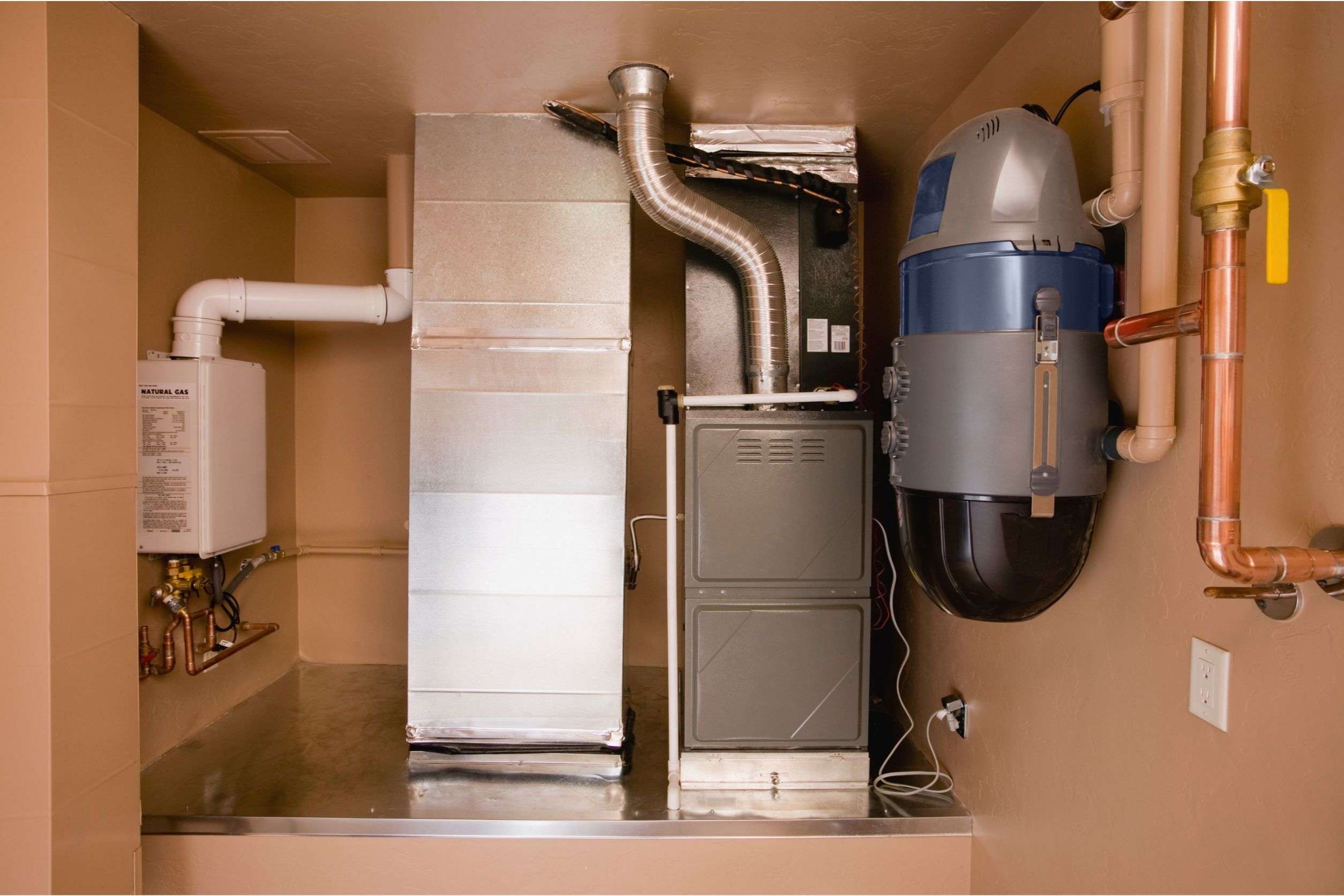
A furnace is a major part of a home’s comfort system, and proper care can help it operate efficiently for many years. Although Orange County generally has a milder climate than colder regions, heating equipment still needs regular attention. Dust, restricted airflow, worn components, poor combustion, and neglected maintenance can gradually increase operating stress and lead to unexpected breakdowns.
Understanding a few practical maintenance habits can help homeowners recognize problems early, protect important components, and potentially reduce the frequency of major repairs. Industry guidance emphasizes regular filter maintenance, professional inspections, proper airflow, and safety checks as important parts of furnace care.
Change or Clean the Furnace Filter Regularly
One of the simplest ways to protect a heating system is to maintain its air filter. A dirty filter restricts airflow, forcing the blower and other components to work harder. Over time, this additional strain can contribute to premature component wear and reduced heating performance.
Filter replacement schedules vary depending on the filter type, furnace, household conditions, pets, dust levels, and system usage. Homeowners should follow the furnace manufacturer’s recommendations and check the filter regularly rather than relying on a fixed schedule.
Keep Airflow Unrestricted
Good airflow is essential for furnace performance. Closed or blocked supply registers, obstructed return vents, dirty filters, and ductwork problems can make it harder for heated air to circulate through the home.
Restricted airflow can also increase furnace operating stress. Energy Star and other HVAC guidance recommend checking airflow-related components as part of routine system maintenance.
Keep furniture, curtains, storage boxes, and other household objects away from registers and return-air openings. If some rooms consistently receive much less heat than others, the issue may require professional evaluation of the ductwork or blower system.
Schedule Professional Furnace Maintenance
Homeowners can handle simple tasks such as checking filters and keeping vents clear, but important internal components should be inspected by a qualified HVAC professional.
A professional maintenance visit may include checking the thermostat, heating performance, burners, ignition components, gas controls, blower assembly, electrical connections, heat exchanger, flue, ductwork, and fuel-supply components.
Regular inspections can also identify developing problems before they become larger failures. For homeowners searching for furnace repair Orange County, maintenance is an important part of reducing avoidable breakdowns and keeping an older heating system operating reliably.
Pay Attention to Unusual Furnace Noises
Changes in furnace sounds should not automatically be dismissed as normal aging. Rattling, banging, grinding, squealing, or repeated clicking can indicate problems involving the blower, motor, ignition system, loose components, or other parts.
The earlier an unusual sound is investigated, the greater the opportunity to identify a relatively small issue before it causes additional damage. If the furnace begins making a new or increasingly loud noise, arranging a professional inspection is generally preferable to continuing to operate it without investigation.
Keep the Furnace Area Clean and Accessible
The space around a furnace should remain reasonably clean and free of unnecessary storage. Dust and debris can enter equipment, while objects placed too close to the system can interfere with access and potentially create safety concerns.
Maintaining clear access also makes it easier for homeowners and technicians to inspect the equipment, replace filters, and identify visible problems. Manufacturer instructions should always take priority for required clearances and maintenance procedures.
Do Not Ignore Rising Energy Bills
A gradual increase in heating costs can sometimes indicate that a furnace is no longer operating as efficiently as it should. Dirty components, airflow restrictions, combustion problems, thermostat issues, or aging parts may cause the system to run longer than necessary.
However, energy costs can also change because of utility rates, weather, thermostat settings, insulation, or other household factors. Therefore, an increase in the bill alone does not prove that the furnace is failing. If higher costs occur alongside longer run times, inconsistent temperatures, or unusual noises, a professional evaluation can help identify the cause.
Protect the Heat Exchanger
The heat exchanger is one of the most important furnace components because it separates combustion gases from the air circulated through the home. A damaged or cracked heat exchanger can create a serious safety concern because combustion gases may enter the household airflow.
Homeowners should not attempt to inspect or repair this component themselves. Professional technicians can examine the heat exchanger and related combustion and ventilation components during furnace service.
If a carbon monoxide alarm sounds, occupants should leave the home and follow appropriate emergency procedures. The furnace should not be operated again until it has been professionally inspected.
Avoid Oversized or Improperly Selected Filters
A common assumption is that a filter with a higher filtration rating is automatically better for every furnace. In reality, filter selection must be compatible with the HVAC system’s airflow requirements.
A filter that creates excessive resistance can restrict airflow. The Department of Energy’s Building America guidance notes that filter size and airflow resistance need to be appropriate for the HVAC system.
When changing filters, use the size and specifications recommended for the particular furnace. If you want to upgrade to a higher-efficiency filter, ask an HVAC professional whether the system can accommodate it properly.
Watch for Frequent Cycling
A furnace that repeatedly starts and stops over short periods may have an underlying problem. Possible causes include restricted airflow, thermostat issues, improper sizing, overheating, or component problems.
Frequent cycling can increase mechanical and electrical stress because the system repeatedly goes through startup and shutdown processes. If this behavior becomes noticeable, professional diagnosis can determine whether the problem is related to maintenance, controls, airflow, or another component.
Address Small Problems Before They Become Major Repairs
Minor furnace problems can sometimes develop into more expensive failures when ignored. A weak ignition component, dirty burner, failing motor, worn electrical connection, or airflow restriction may affect other components if the furnace continues operating under abnormal conditions.
Preventive maintenance is therefore more than simply keeping the furnace clean. It involves identifying conditions that could place unnecessary stress on the system and correcting them before they become larger problems. Routine service is specifically intended to identify minor issues before they escalate.
Know When Repair Is Better Than Replacement
Extending a furnace’s life does not mean repairing every problem indefinitely. Older systems with repeated failures may eventually become less practical to maintain, particularly when they require major component replacement.
The appropriate decision depends on factors such as the furnace’s age, overall condition, repair history, failed component, repair cost, efficiency, and expected remaining service life. Carrier similarly recommends considering replacement when an older furnace develops frequent or major problems.
A qualified technician can explain the condition of the system and provide repair and replacement information so the homeowner can make an informed decision.
Create a Simple Furnace Maintenance Routine
A practical maintenance routine can make furnace care easier:
- Monthly or regularly: Check the air filter and replace or clean it according to manufacturer instructions.
- Throughout the heating season: Keep supply registers and return vents unobstructed.
- When problems appear: Pay attention to unusual sounds, odors, cycling, weak airflow, or inconsistent heating.
- Annually: Arrange professional furnace maintenance, particularly before the system’s heavier heating period.
- When major faults occur: Have gas, electrical, combustion, heat exchanger, or internal mechanical problems evaluated by a qualified professional.
These habits can help reduce unnecessary strain and provide opportunities to identify developing issues earlier.
Final Thoughts
A long-lasting furnace depends on more than simply repairing it when it stops working. Regular filter care, unrestricted airflow, professional maintenance, clean surroundings, and prompt attention to unusual behavior can all contribute to dependable operation.
For Orange County homeowners, maintaining the heating system proactively can also make unexpected winter or cool-weather breakdowns less likely. When a problem does develop, professional diagnosis is important because issues involving combustion, gas, electrical components, or the heat exchanger can involve significant safety risks.
With consistent maintenance and timely repairs, homeowners can give their furnace a better opportunity to deliver reliable heating while extending the useful life of the system.
